

Essential Documentation After a SC Car Accident: A Complete Step-by-Step Guide
Motor vehicle collisions are frequent occurrences in South Carolina, with state police reporting hundreds of thousands of crashes annually across the Lowcountry and Upstate regions. South Carolina State Law Enforcement Division data indicates that distracted driving and failure to yield remain primary contributors to these incidents. When you are involved in a crash, the immediate aftermath is chaotic, but the documentation you gather in the first few hours will dictate the outcome of your claim. Insurance adjusters and opposing counsel will scrutinize every piece of evidence you provide. This guide outlines the critical steps to secure your case and ensure you receive the compensation you deserve. (Christmas Injury Lawyers South)
Step 1: Document the Accident Scene
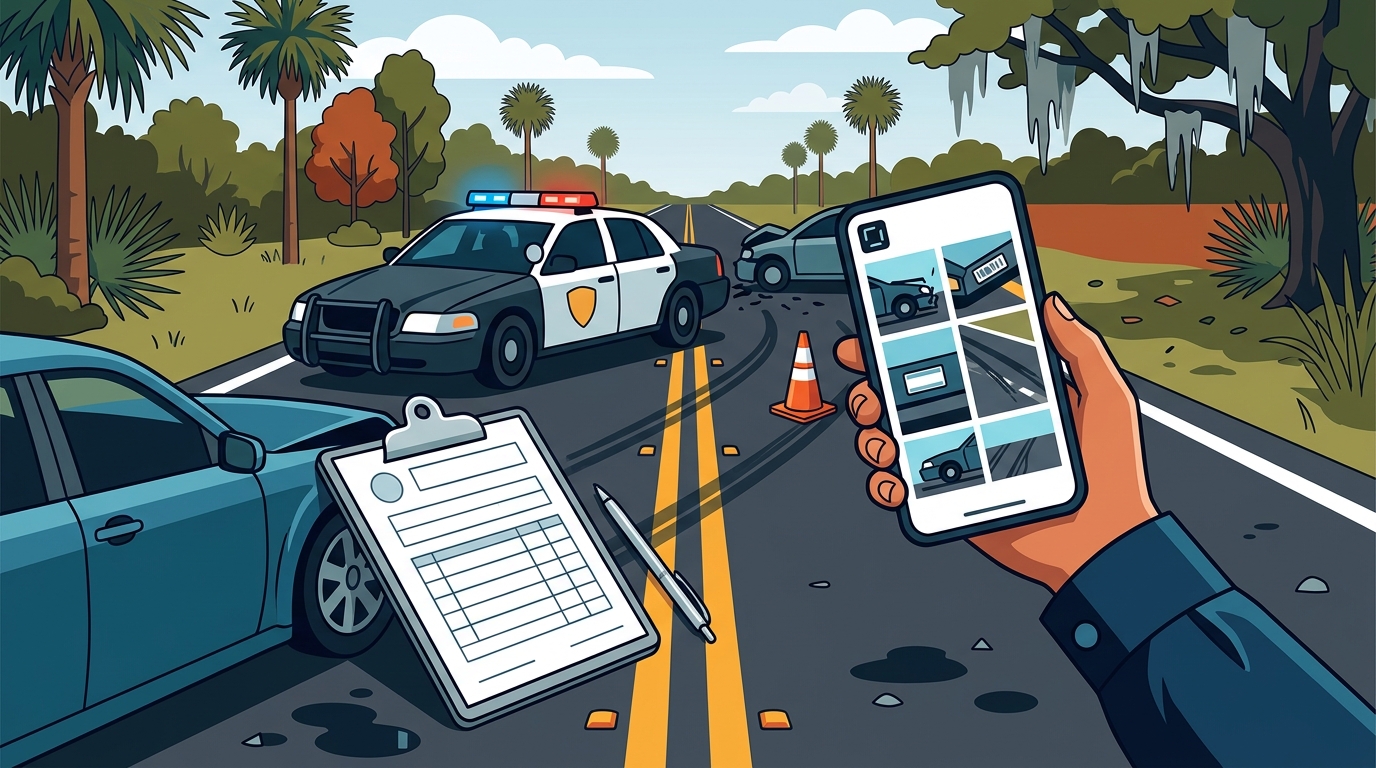
If you are physically able, the physical evidence at the crash site is fleeting. Weather conditions, traffic patterns, and emergency responders will alter the scene within minutes. Your goal is to capture a comprehensive visual record before the site is cleared. National Highway Traffic Safety Administration guidelines emphasize that visual evidence is often the most persuasive tool in determining fault.
Photographing Vehicle Damage
Take wide-angle shots of both vehicles from multiple angles. Capture the point of impact on both cars. Photograph the license plates of all vehicles involved. If there is skid mark evidence, photograph the length and direction of the marks relative to the vehicles. These images help reconstruct the speed and trajectory of the collision.
Environmental Context
Do not forget the surroundings. Photograph traffic signs, stop lights, road conditions, and weather. If a traffic light was red, capture it. If the road was wet or icy, document that condition. These details provide context that explains why the accident occurred. Insurance Institute for Highway Safety research shows that environmental factors are frequently disputed by insurance companies to minimize payouts.
Step 2: Exchange Information Correctly
Exchanging information is a standard requirement, but many drivers provide incomplete data. You need specific details to build your case file. South Carolina Department of Motor Vehicles regulations require drivers to share identification and insurance details immediately after a crash.
Required Data Points
- Full Legal Name: Ensure you have the correct spelling.
- Phone Number: Get a direct line, not just a voicemail.
- Insurance Policy Number: Verify the policy is active.
- Insurance Provider Name: Note the specific carrier.
- Vehicle Make, Model, and Color: Confirm the vehicle details match the registration.
- Driver's License Number: Record the state and number.
Avoid discussing fault or apologizing at the scene. Statements like "I'm sorry" can be misconstrued as an admission of liability. Stick to the facts and the exchange of information. Let the investigation determine who is at fault.
Step 3: Secure the Official Police Report
In South Carolina, a police report is a critical piece of evidence. It provides an unbiased third-party account of the incident. The responding officer will sketch the scene, interview witnesses, and note any citations issued. South Carolina State Government portals provide access to these reports for legal proceedings.
Obtaining the Report
You can request the report from the local police department or the South Carolina Law Enforcement Division (SLED). There is usually a small fee for this service. Do not wait weeks to get it. The report becomes harder to retrieve as time passes. Use the report to verify the details you collected at the scene. If the officer made an error in the sketch or description, you can note it for your attorney to address later.
Step 4: Gather Medical Evidence
Medical documentation links your injuries directly to the accident. This is the foundation of your personal injury claim. Centers for Medicare & Medicaid Services data highlights that delayed medical treatment is a common tactic used by insurers to deny claims, arguing that the injuries were not serious or were caused by a subsequent event.
Immediate Medical Attention
Even if you feel fine, seek medical evaluation immediately. Adrenaline can mask pain and symptoms of whiplash or internal injuries. A medical professional's initial diagnosis creates a timestamped record of your condition. This record is vital for proving that your injuries are a direct result of the crash.
Keeping Records
Save all medical bills, prescription receipts, and therapy notes. Keep a journal of your recovery process. Document your pain levels, missed work days, and how the injuries affect your daily life. This subjective evidence complements the objective medical records. American Medical Association standards emphasize the importance of consistent follow-up care for accurate injury assessment.
Step 5: Manage Insurance Communications
Once you have documented the scene and sought medical care, you must handle insurance communications carefully. The other driver's insurance company will likely contact you quickly. Their goal is to gather information that minimizes their payout. Consumer Financial Protection Bureau reports indicate that insurance companies often use recorded statements to undermine claimants.
Providing Your Statement
Do not give a recorded statement to the other driver's insurer without consulting an attorney. You are not obligated to provide a detailed account immediately. Stick to the basic facts if you must speak. Do not speculate or guess about the events. Let your lawyer handle the negotiation.
Notifying Your Own Insurer
You must report the accident to your own insurance company as required by your policy. Provide the facts without admitting fault. Your policy likely includes uninsured motorist coverage, which can be crucial if the other driver is uninsured or underinsured. Insurance Institute guidelines suggest that timely reporting protects your coverage rights.
Common Documentation Mistakes to Avoid
Many accident victims inadvertently weaken their cases by making simple errors. Avoid these common pitfalls to protect your claim.
| Mistake | Consequence | Correct Action |
|---|---|---|
| Leaving the Scene | Hit-and-run charges; loss of evidence | Stay until police arrive and report is filed |
| Admitting Fault | Liability denial; reduced compensation | Remain silent on fault; let investigation decide |
| Ignoring Injuries | Delayed treatment; claim denial | Seek immediate medical evaluation |
| Posting on Social Media | Insurance surveillance; claim denial | Keep all social media activity private |
Key Takeaways
- Immediate Documentation: Photograph the scene, vehicles, and injuries before evidence is lost.
- Complete Information: Exchange names, contacts, and insurance details with all parties involved.
- Police Report: Obtain the official report from SLED or the local police department promptly.
- Medical Records: Seek immediate care and keep detailed records of all treatments and costs.
- Legal Counsel: Consult with Christmas Injury Lawyers to navigate complex insurance negotiations.
- No Admission: Never admit fault or apologize at the scene of the accident.
- Contingency Fees: Our firm operates on a no-fee-unless-we-win basis, reducing your financial risk.
Frequently Asked Questions
How long do I have to report a car accident in South Carolina?
South Carolina law requires you to report any accident resulting in injury, death, or property damage exceeding $1,000 to the police immediately. Failure to do so can result in legal penalties.
What if the other driver does not have insurance?
If the other driver is uninsured, you can file a claim under your own uninsured motorist coverage. South Carolina Department of Insurance regulations mandate that most auto policies include this coverage.
Can I handle the insurance claim myself?
While you can handle it yourself, insurance companies are skilled at minimizing payouts. An experienced attorney can ensure you receive fair compensation for medical bills, lost wages, and pain and suffering.
What if I was partially at fault for the accident?
South Carolina follows a modified comparative negligence rule. You can still recover damages as long as you are less than 51% at fault. Your compensation will be reduced by your percentage of fault.
How much does it cost to hire a car accident lawyer?
At Christmas Injury Lawyers, we work on a contingency fee basis. You pay no upfront fees. We only get paid if we recover money for you. This ensures our interests are aligned with yours.
What documents do I need to file a claim?
You will need the police report, medical records, proof of lost wages, repair estimates, and your insurance policy details. Our team helps you gather and organize all necessary documentation.
How long do I have to file a lawsuit in South Carolina?
The statute of limitations for personal injury claims in South Carolina is generally three years from the date of the accident. Waiting too long can bar you from seeking compensation entirely.
Contact Christmas Injury Lawyers
Dealing with the aftermath of a car accident is overwhelming. You should focus on your recovery, not on fighting insurance companies. At Christmas Injury Lawyers, we provide the legal expertise and aggressive representation you need. Our team has over 30 years of experience helping South Carolina residents recover from serious injuries. We offer same-day case initiation and 24/7 availability. Call us now at (843) 258-5617 or visit our Contact Page to start your case today. We have no fees unless we win.