
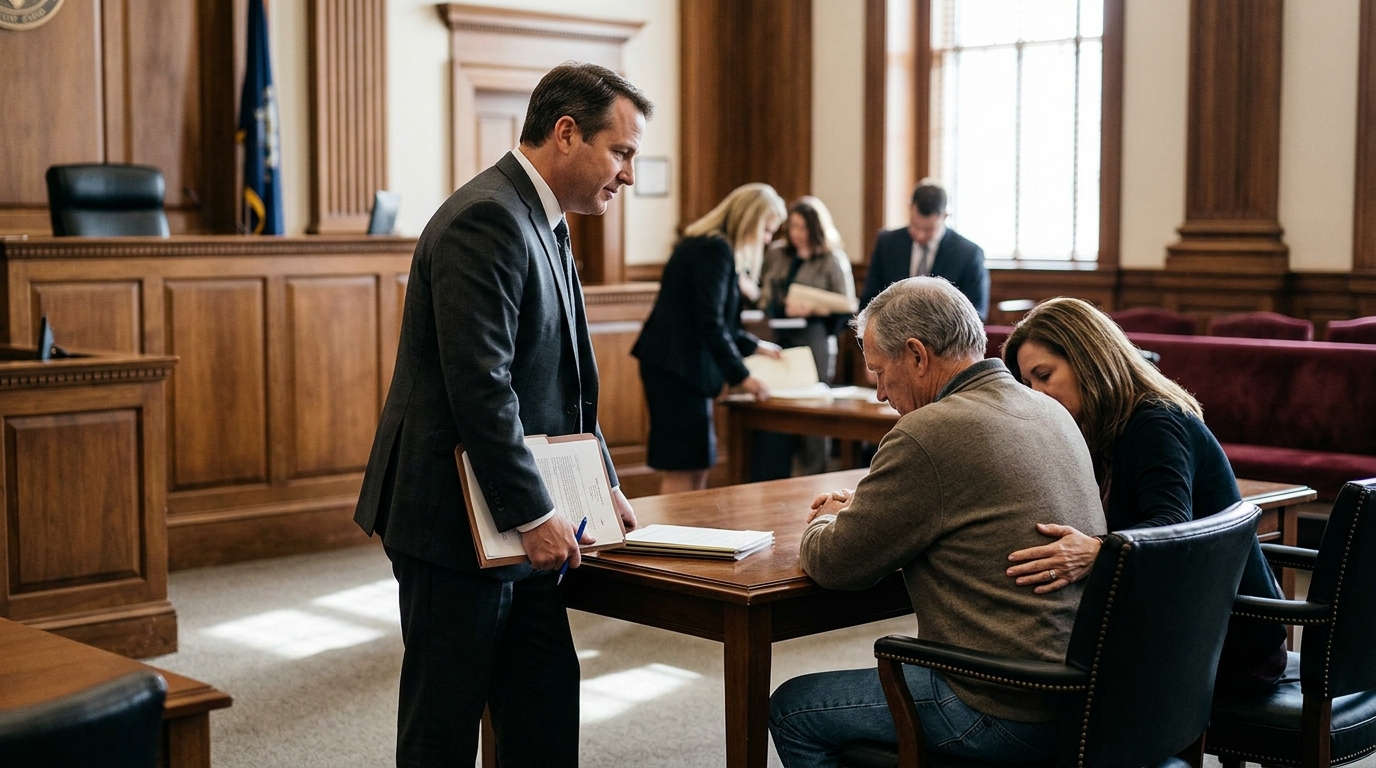
Behind-the-Scenes Court Procedures for South Carolina Personal Injury Claims
If you were hurt in an accident and it was not your fault, you are likely dealing with pain, stress, and a lot of unknowns. Medical bills are piling up. You may be missing work. The insurance company is already working against you. According to recent legal industry reports, the average personal injury case in South Carolina takes between 12 and 18 months to resolve, depending on the severity of the injuries and the willingness of the opposing party to negotiate. This timeline is not arbitrary; it is dictated by strict procedural rules designed to ensure fairness, but they can feel like an endless wait when you are in pain. (Christmas Injury Lawyers South)
The First Step: Case Evaluation and Intake
Before any court procedure begins, the foundation of your case is laid during the initial consultation. This is not merely a casual chat; it is a strategic assessment of your legal standing. At Christmas Injury Lawyers, we understand that the immediate aftermath of an accident is chaotic. Our team steps in to take over the legal burden, allowing you to focus on healing.
Contingency Fee Structure is a critical component of this phase. You will not pay anything upfront. We only get paid if we recover money for you. This means no hourly billing and no hidden costs. This structure aligns our interests with yours, ensuring that we are motivated to fight for the full value of your case.
During this stage, we gather initial evidence, including police reports, witness statements, and medical records. This information is vital for determining the viability of your claim. If the evidence suggests negligence on the part of another party, we proceed to file the necessary legal documents. Our offices in North Charleston, Summerville, Columbia, and Mount Pleasant are staffed to handle these initial consultations efficiently, ensuring that no detail is overlooked.
Initiating the Lawsuit: The Complaint and Summons
When negotiations with the insurance company fail to produce a fair settlement, the next procedural step is filing a lawsuit. This is a formal declaration that you are seeking legal recourse through the court system. The process begins with the preparation and filing of a Complaint and a Summons.
The Complaint is a legal document that outlines the facts of the case, the injuries sustained, and the damages sought. It serves as the blueprint for the entire litigation process. The Summons is a notice to the defendant that a lawsuit has been filed against them and provides a deadline for their response. In South Carolina, the defendant typically has 30 days to respond to the Complaint.
If the defendant fails to respond within this timeframe, we may seek a default judgment. However, most defendants will file an Answer, denying liability or raising defenses. This marks the official beginning of the adversarial process. Our attorneys prepare every case as if it will go to trial, ensuring that our Complaint is robust and leaves no room for ambiguity. This approach often pressures insurance companies to take the claim more seriously early on.
The Discovery Phase: Uncovering the Truth
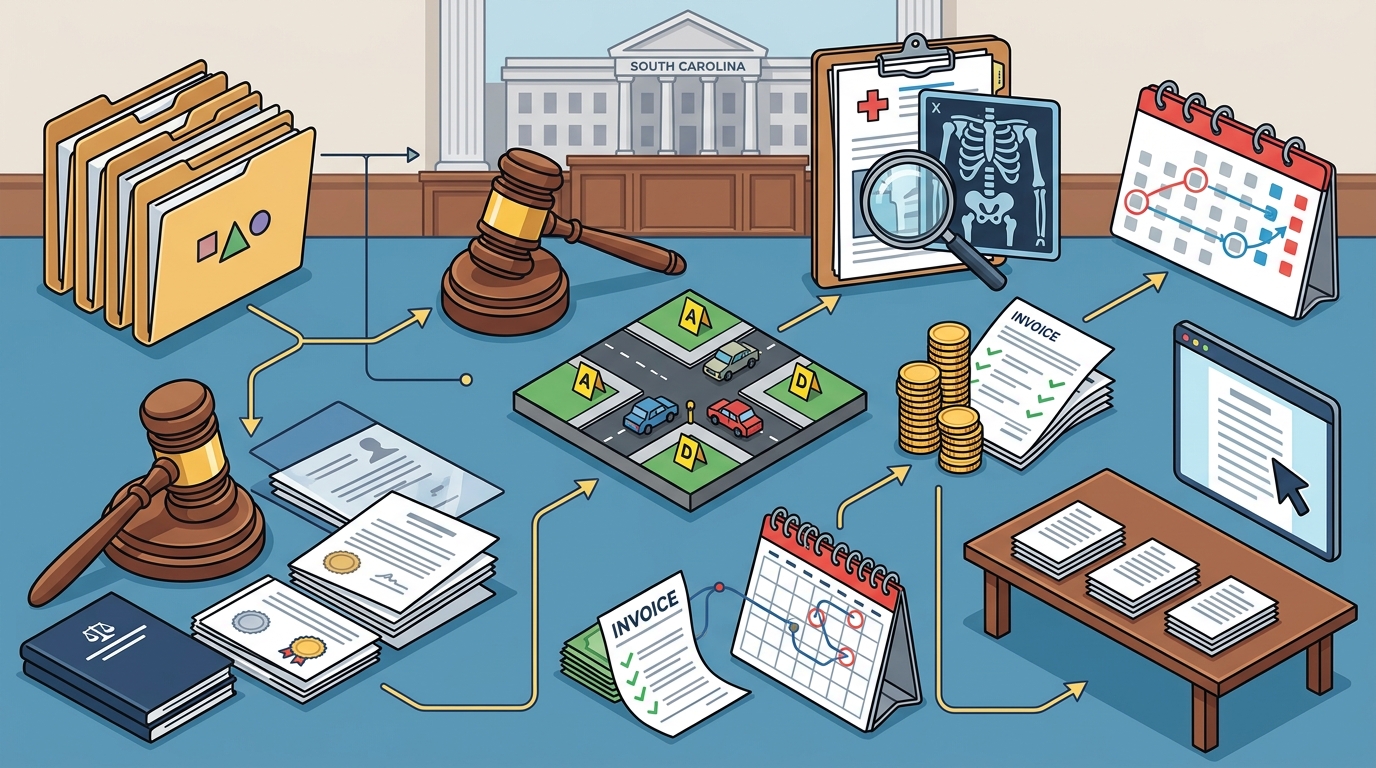
Discovery is often the longest and most complex phase of a personal injury claim. It is the process by which both parties exchange information and evidence. This phase is crucial for building a strong case and understanding the strength of the opposing side. There are several tools used during discovery, each serving a specific purpose.
Interrogatories
Interrogatories are written questions that one party sends to the other. The responding party must answer these questions under oath. These questions often focus on the details of the accident, the injuries, and the damages claimed. They help clarify the positions of both sides and can reveal inconsistencies in the opposing party's story.
Requests for Production
These are formal requests for documents and physical evidence. This might include medical records, employment records, vehicle maintenance logs, or even photographs of the accident scene. The thoroughness of this phase can make or break a case. We meticulously review all produced documents to identify any gaps or opportunities for further investigation.
Depositions
A deposition is a sworn out-of-court testimony. Both parties attend, and a court reporter records the proceedings. Depositions allow attorneys to question witnesses, including the opposing party and expert witnesses, in person. This is often where the true nature of the case is revealed. The testimony given during a deposition can be used at trial if the witness changes their story. Preparing for depositions requires extensive research and strategy, which is a core competency of our legal team.
Mandatory Mediation: The Turning Point
In South Carolina, most personal injury cases are required to go through mediation before they can proceed to trial. Mediation is a form of alternative dispute resolution where a neutral third party, the mediator, helps the parties negotiate a settlement. The mediator does not make a decision; instead, they facilitate communication and help identify common ground.
Mediation is often the most critical juncture in a case. Many cases settle at this stage because both parties have a clearer understanding of the strengths and weaknesses of their positions. The insurance company will send a representative with settlement authority, and our attorneys will present a compelling argument for the value of your claim.
Strategic Negotiation is key during mediation. We use the evidence gathered during discovery to demonstrate the extent of your damages and the liability of the defendant. If the insurance company refuses to offer a fair settlement, we are prepared to walk away and proceed to trial. This willingness to go to court often motivates insurers to increase their offers.
Trial Preparation: When Settlement Fails
If mediation does not result in a settlement, the case moves toward trial. This phase involves intense preparation. Our attorneys work closely with expert witnesses, including medical professionals, accident reconstructionists, and economists, to build a comprehensive narrative of your case.
We prepare jury instructions, opening statements, and closing arguments. We also anticipate the arguments the opposing counsel will make and prepare rebuttals. The goal is to present your case in the most favorable light to the jury. This involves not just legal arguments, but also emotional resonance. We ensure that the human impact of your injuries is clearly understood by the jury.
Our team holds insurance companies accountable when they refuse to do the right thing. By preparing every case as if it will go to trial, we level the playing field. Insurance companies know that we are not afraid to go to court, which often leads to more favorable settlement offers even at this late stage.
Trial Day: What Actually Happens in Court
Trial day is the culmination of months or years of work. The process begins with jury selection, where both parties question potential jurors to ensure a fair and impartial panel. This is a delicate process, as both sides want jurors who are sympathetic to their case.
Once the jury is selected, our attorneys present opening statements, outlining the case and what we intend to prove. We then present evidence and call witnesses, including you, the plaintiff. The opposing counsel will cross-examine our witnesses, attempting to discredit their testimony. After our case is closed, the defendant presents their case, and we have the opportunity to cross-examine their witnesses.
The trial concludes with closing arguments, where both sides summarize their case and appeal to the jury. The jury then deliberates and returns a verdict. If the verdict is in your favor, the court will award damages. These damages can include medical expenses, lost wages, pain and suffering, and in some cases, punitive damages. Our goal is to secure the maximum compensation possible for our clients.
Key Takeaways
- No Upfront Costs: Christmas Injury Lawyers operates on a contingency fee basis, meaning you pay no fees unless we recover money for you.
- Discovery is Critical: The exchange of evidence through interrogatories, requests for production, and depositions is where the strength of your case is built.
- Mediation is Common: Most South Carolina personal injury cases go through mandatory mediation, which is often where settlements are reached.
- Trial Readiness: Preparing every case as if it will go to trial is essential for achieving the best possible outcome, whether in settlement or at trial.
- Expert Witnesses: Utilizing medical and economic experts can significantly strengthen your claim for damages.
- Multiple Office Locations: We serve clients across South Carolina with offices in North Charleston, Summerville, Columbia, and Mount Pleasant.
- Proven Results: Our firm has secured significant recoveries, including a $10 million civil rights recovery and multiple multi-million dollar auto accident settlements.
Frequently Asked Questions
How long does a personal injury case take in South Carolina?
The timeline varies significantly based on the complexity of the case. Simple cases may settle in a few months, while complex cases involving severe injuries or disputed liability can take over a year. According to legal industry data, the average duration is often between 12 and 18 months.
Do I have to go to court for my personal injury claim?
Not necessarily. Many cases are resolved through settlement negotiations or mediation without ever going to trial. However, it is crucial to have an attorney who is prepared to go to court if a fair settlement cannot be reached.
What is the statute of limitations for personal injury in South Carolina?
In South Carolina, the general statute of limitations for personal injury claims is three years from the date of the accident. Failing to file within this timeframe can result in the loss of your right to sue.
How are damages calculated in a personal injury case?
Damages are calculated based on both economic and non-economic losses. Economic damages include medical bills, lost wages, and property damage. Non-economic damages include pain and suffering, emotional distress, and loss of enjoyment of life.
Can I handle my personal injury case without a lawyer?
While it is possible, it is generally not advisable. Insurance companies have experienced legal teams dedicated to minimizing payouts. Having an attorney levels the playing field and ensures that your rights are protected throughout the process.
What if the insurance company denies my claim?
If the insurance company denies your claim, you may still have legal recourse. Our attorneys can investigate the denial, gather additional evidence, and file a lawsuit if necessary. We do not back down from difficult negotiations.
How does Christmas Injury Lawyers help with the legal process?
We handle all aspects of the legal process, from initial consultation to trial. This includes gathering evidence, negotiating with insurance companies, filing lawsuits, and representing you in court. Our goal is to take over the legal fight so you can focus on healing.
Contact Christmas Injury Lawyers
If you or a loved one has been injured, do not wait. The legal process can be overwhelming, but you do not have to handle it alone. Our team is available 24/7 to speak with you and provide clear answers to your questions. We offer a free consultation to evaluate your case and explain your options.
Call us now at (843) 258-5617 or contact us online to start your case today. With over 30 years of experience, we are dedicated to protecting your rights and securing the financial recovery you deserve. Visit our About Us page to learn more about our firm and our commitment to our clients.