
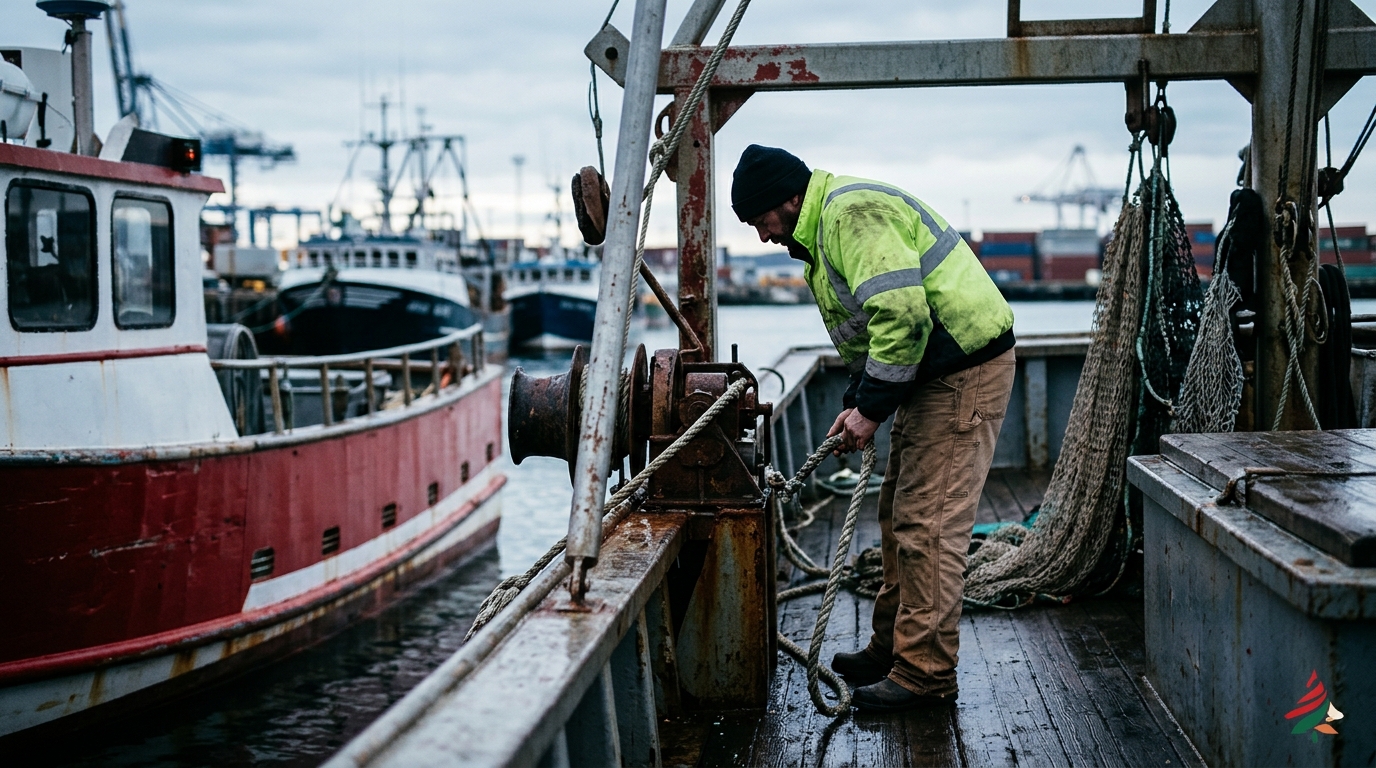
An unseaworthy vessel is one that is not reasonably fit for its intended service due to defects in the ship, its equipment, or its crew. In a Jones Act claim, this defect must be the direct cause of the seaman's injury. Christmas Injury Lawyers helps maritime workers in South Carolina understand how vessel condition impacts their legal rights and compensation.
The Legal Standard for Vessel Unseaworthiness
The doctrine of unseaworthiness is a strict liability standard. This means the vessel owner is liable for injuries caused by an unseaworthy condition, regardless of whether they were negligent. The vessel must be unfit for its intended purpose. For example, if a deck is slippery due to a lack of anti-slip coating, the vessel is unseaworthy. The injury must be directly caused by this specific defect.
Common Defects That Render a Vessel Unseaworthy
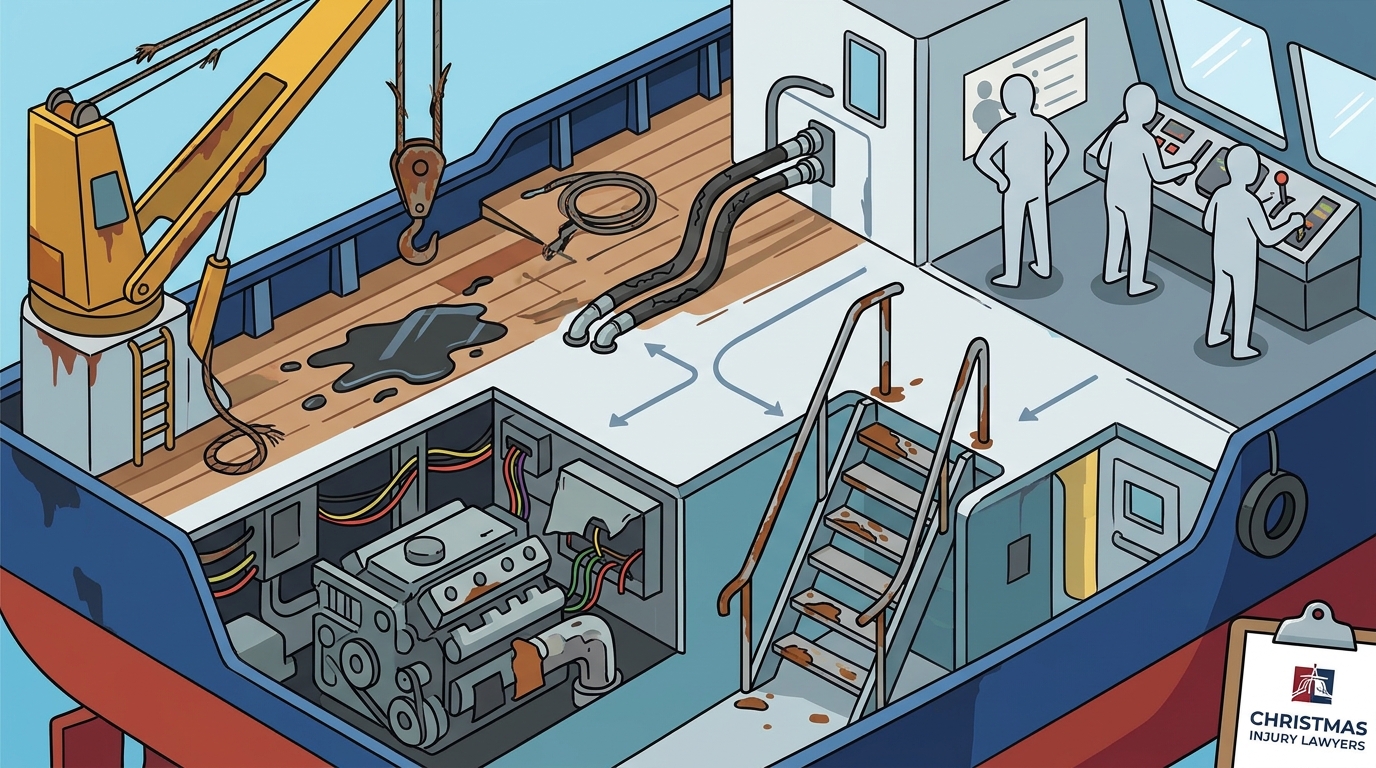
Unseaworthiness can stem from physical defects, equipment failures, or crew inadequacy. Physical defects include broken handrails, cracked decks, or poor lighting. Equipment failures involve malfunctioning cranes, winches, or safety gear. Crew inadequacy occurs when the vessel is undermanned or the crew lacks necessary training. Each of these factors can create a hazardous environment for seamen.
The Role of the Vessel Owner in Maintaining Seaworthiness
The vessel owner has a non-delegable duty to provide a seaworthy vessel. This duty cannot be transferred to a contractor or another party. The owner must ensure that the ship is properly maintained and that all equipment is in good working order. Failure to do so can result in liability for injuries sustained by seamen. This standard is higher than general negligence, as it focuses on the condition of the vessel itself.
How Unseaworthiness Differs from Negligence
Unseaworthiness is distinct from the negligence claim under the Jones Act. Negligence requires proving that the employer failed to exercise reasonable care. Unseaworthiness, however, is a strict liability claim based on the vessel's condition. A seaman can pursue both claims in the same lawsuit. Understanding this difference is crucial for building a strong case and maximizing compensation.
Key Takeaways
- An unseaworthy vessel is one that is not reasonably fit for its intended service.
- Unseaworthiness is a strict liability standard, meaning fault is not required.
- Common defects include physical damage, equipment failure, and crew inadequacy.
- The vessel owner has a non-delegable duty to maintain a seaworthy vessel.
- Seamen can pursue both unseaworthiness and negligence claims in a Jones Act lawsuit.
- Christmas Injury Lawyers provides expert representation for maritime injury cases in South Carolina.
Frequently Asked Questions
What is the difference between unseaworthiness and negligence?
Unseaworthiness is a strict liability claim based on the vessel's condition, while negligence requires proving a failure to exercise reasonable care. Both can be pursued in a Jones Act claim.
Who is responsible for maintaining a seaworthy vessel?
The vessel owner is responsible for maintaining a seaworthy vessel. This duty is non-delegable and cannot be transferred to another party.
Can a seaman sue for unseaworthiness if the injury was caused by a third party?
Yes, a seaman can sue the vessel owner for unseaworthiness if the injury was caused by a defect in the vessel, even if a third party was involved.
What types of defects can make a vessel unseaworthy?
Defects can include physical damage, equipment failure, poor lighting, and crew inadequacy. Any condition that makes the vessel unfit for its intended service can be considered unseaworthy.
How does Christmas Injury Lawyers help with unseaworthiness claims?
Christmas Injury Lawyers provides expert legal representation for seamen injured due to unseaworthy vessels. We help clients navigate the complexities of maritime law and secure fair compensation.
Conclusion
Understanding what counts as an unseaworthy vessel is essential for seamen pursuing Jones Act claims. By recognizing the strict liability standard and the vessel owner's duty, injured workers can better protect their rights. Christmas Injury Lawyers is dedicated to helping maritime workers in South Carolina secure the compensation they deserve. If you or a loved one has been injured on a vessel, contact us today for a free consultation.