
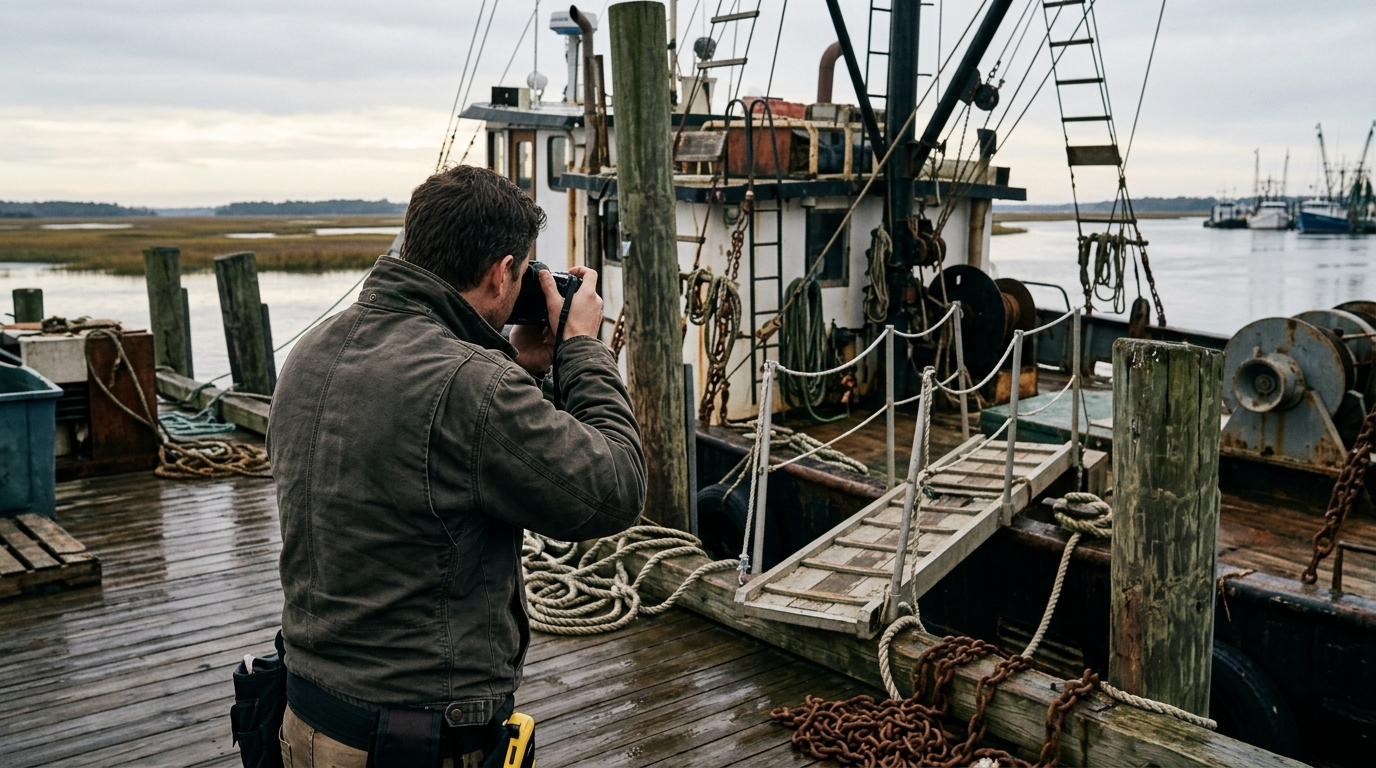
Collecting immediate, high-quality evidence after a boat injury is critical to protecting your Jones Act claim in South Carolina. You should photograph the scene, secure witness statements, and document all medical treatments to prevent your case from being weakened by missing or altered facts. Early documentation is the backbone of a successful maritime injury lawsuit.
The Critical Role of Scene Documentation
The physical environment where an injury occurs is a primary source of evidence in maritime law. A scene report is a detailed record of the conditions, hazards, and layout of the vessel at the time of the incident. Without this record, it becomes difficult to prove that the employer failed to maintain a safe workplace, which is the core of a Jones Act claim.
Maritime vessels are complex environments where hazards can be hidden or temporary. For example, a loose railing or a wet deck might be fixed by the time an investigator arrives. If you do not capture these details immediately, the opposing party may argue that the condition did not exist or was not dangerous. This is why it is important to act quickly after an accident.
You should take high-resolution photos and videos of the entire area, including the specific spot where you fell or were struck. Capture the lighting, the state of the floor, and any safety equipment that was present or missing. These visual records serve as objective proof that can be presented in court or during settlement negotiations.
Securing Witness Testimony and Statements
Witnesses are often the most valuable human evidence in a maritime injury case. A witness statement is a written or recorded account of what a bystander saw during the accident. Because memories fade quickly, securing these statements within the first 24 to 48 hours is essential for preserving their accuracy and credibility.
On a boat, witnesses may include crew members, passengers, or port workers. You should ask them for their full names, contact information, and a brief description of what they observed. If possible, request a signed statement that details the sequence of events. This documentation helps establish a timeline and corroborates your version of the incident.
Failure to collect witness information can weaken your claim if those individuals later become unavailable or if their memories change. It is beneficial to identify and contact witnesses before they leave the port or return to their home ports. This proactive approach ensures that your case has a solid foundation of testimonial evidence.
Documenting Medical Treatment and Injuries
Medical records are the primary evidence of the extent and severity of your injuries. A medical timeline is a chronological log of all treatments, diagnoses, and symptoms related to the accident. This record must be consistent and comprehensive to support your claim for damages.
Seek medical attention immediately, even if your injuries seem minor. Some maritime injuries, such as soft tissue damage or internal bleeding, may not show symptoms right away. Delaying treatment can lead the insurance company to argue that your current pain is unrelated to the accident. Keep copies of all medical bills, doctor's notes, and imaging results.
Consistency is key. If you tell your doctor one thing and your attorney another, it can damage your credibility. Organizing your medical records to create a clear narrative of your recovery is essential. This documentation is vital for calculating the full value of your claim, including future medical needs.
Preserving Physical and Digital Evidence
Physical items and digital data can provide irrefutable proof of negligence. Physical evidence includes any objects that contributed to the injury, such as a broken tool, a torn piece of clothing, or a damaged piece of equipment. You should preserve these items and not discard them, as they may be subject to inspection by experts.
Digital evidence is also crucial in modern maritime cases. This includes data from the vessel's engine room, GPS logs, and communication records. If your phone was in your pocket during the accident, it may have recorded audio or video. Save these files immediately. Additionally, check for any dashcams or security cameras on the boat that might have captured the incident.
Employers may attempt to alter or delete digital data after an accident. By securing your own copies of relevant data, you protect your claim from spoliation of evidence. It is important to legally and effectively preserve these digital assets to ensure they are admissible in court.
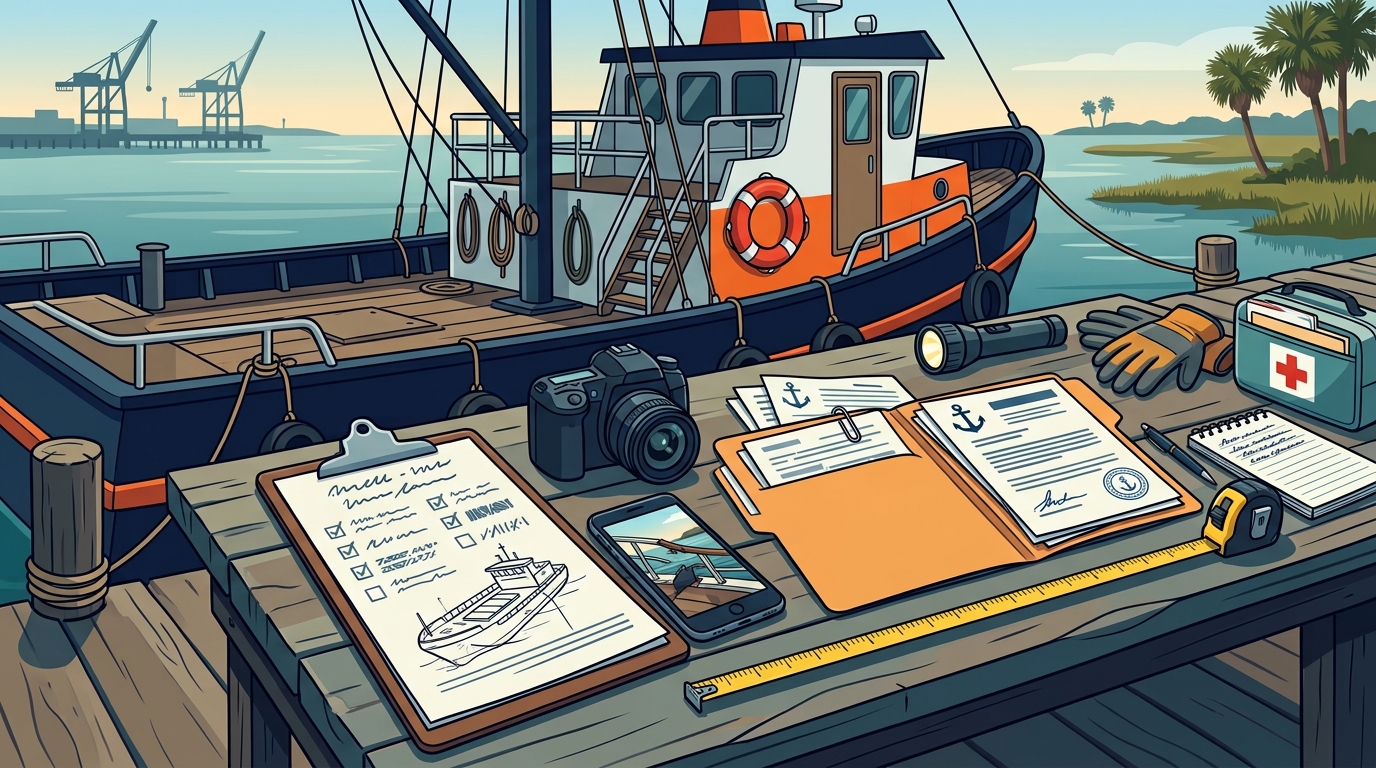
Why Professional Legal Guidance Matters
Navigating the Jones Act requires specific legal knowledge that goes beyond general personal injury law. The Jones Act allows seamen to sue their employers for negligence, a right not available under standard workers' compensation. Understanding the nuances of maritime evidence is critical to avoiding mistakes that could permanently harm your case.
One common mistake is speaking to the employer's insurance adjuster without legal representation. Insurance companies often try to get statements that can be used against you later. A skilled attorney knows what to say and what to avoid. Professional legal expertise is needed to manage all aspects of your evidence collection and presentation.
By working with a dedicated maritime law firm, you ensure that your evidence is collected correctly and presented effectively. This professional support helps you focus on your recovery while your legal team builds a strong case for compensation.
Key Takeaways
- Photograph the accident scene immediately to capture hazards and conditions.
- Secure witness statements within the first 48 hours to preserve accurate memories.
- Seek immediate medical attention and maintain a consistent medical timeline.
- Preserve physical items and digital data that may prove negligence.
- Consult with a maritime attorney before speaking to insurance adjusters.
- Use professional legal guidance to ensure all evidence is admissible and effective.
Frequently Asked Questions
How long do I have to file a Jones Act claim in South Carolina?
The statute of limitations for Jones Act claims is generally three years from the date of the injury. However, you should not wait to start collecting evidence. Early documentation is far more valuable than late documentation, and delays can weaken your case significantly.
Can I collect evidence if I am injured and unable to move?
Yes. You can ask a trusted friend, family member, or crew member to take photos and gather witness information for you. You can also record audio statements if you are able to speak. Your attorney can guide you on how to do this effectively while you recover.
What if the boat owner changes the scene before I can document it?
This is a common concern. If you suspect the scene is being altered, take as many photos and videos as possible immediately. You can also send a written notice to the employer stating that you are preserving evidence. Your attorney can issue a formal legal demand to preserve all evidence, including digital data.
Do I need to hire a lawyer just to collect evidence?
While you can collect basic evidence yourself, hiring a lawyer ensures that you do not make mistakes that could harm your case. A maritime attorney knows what evidence is most valuable and how to present it. They can also protect your rights during interactions with the employer and insurance company.
What types of damages can I recover with strong evidence?
With strong evidence, you can recover damages for medical expenses, lost wages, pain and suffering, and future care needs. In some cases, you may also be eligible for punitive damages if the employer's negligence was willful or reckless. The strength of your evidence directly impacts the amount of compensation you can receive.
Next Steps for Injured Seamen
If you have been injured on a boat in South Carolina, the next step is to secure professional legal advice. To schedule a free consultation, contact our team. We will help you preserve your evidence and build a strong case for the compensation you deserve.